

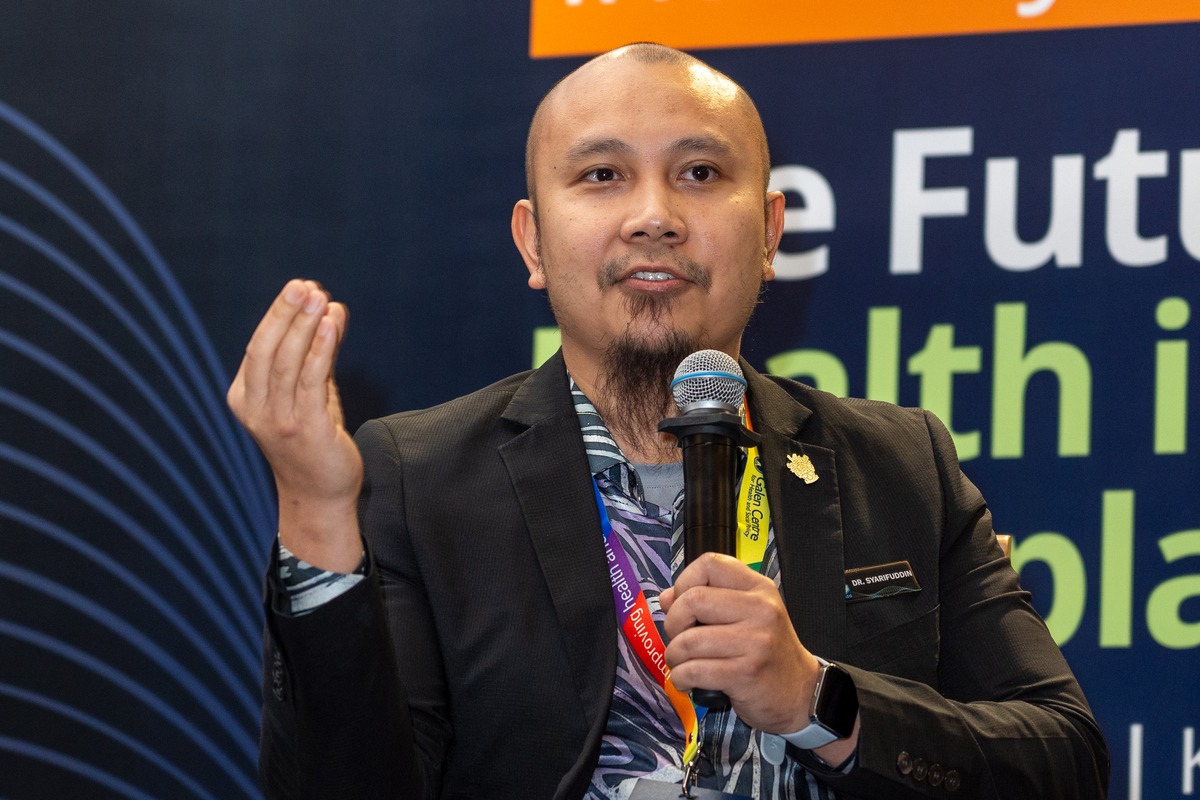
KUALA LUMPUR, Jan 14 — The Social Security Organisation (Socso) compensates an average of 400 to 500 claims annually for mental illness, as mental health issues gain increased attention, a senior official said.
Dr Ahmad Syarifuddin Ramlan, head of Socso’s Medical Opinion Unit, said that while many workers face mental health challenges, only those diagnosed with a mental illness by a psychiatrist and deemed treatment-resistant are eligible for compensation.
“Yes, they can apply for an invalidity claim. Currently, I’d say an average of about 400 to 500 cases annually are compensated for mental illness,” he said during a spotlight session on Socso’s perspective on current challenges in responding to worker health needs and safety at the Industry Leadership Summit 2024: The Future of Health in the Malaysian Workplace on October 10.
“It’s a very significant topic nowadays, and it’s gaining more attention when we talk about mental health issues.”
Mental illness can qualify for compensation if the condition prevents a worker from earning at least one-third of their previous income.
Disorders such as schizophrenia and major depression may be considered, but only after the patient has undergone extensive treatment, including electroconvulsive therapy or multiple antipsychotic medications, Dr Ahmad Syarifuddin said.
“People often confuse mental health issues with mental disorders,” he added. “These are two distinct clinical diagnoses; a mental illness can only be diagnosed by a psychiatrist.”
According to the National Health Morbidity Survey (NHMS) 2023, released last May, about one million people, or 4.6 per cent of Malaysians over the age of 15, suffer from depression.
This figure doubled from 2019 to 2023, with nearly half of those affected reporting thoughts of self-harm or suicide. Depression was found to be most prevalent among younger age groups, especially those aged 16 to 19 (7.9 per cent) and 20 to 29 (7.6 per cent).
At a separate forum during the summit, an occupational safety and health expert highlighted that financial stress is increasingly affecting workers; mental health and, in turn, having physiological impacts, such as contributing to non-communicable diseases (NCDs).
Dr Abed Onn, vice president of the Academy of Occupational and Environmental Medicine Malaysia, said that the rise in cost of living is putting employees under significant financial strain, which worsens their mental health.
“One of the things I’ve noticed recently is the impact of financial status on workers, especially as the cost of living has gone up, and they’re struggling to cope with the stress.
“One of the steps we’ve taken is to invite AKPK (Credit Counselling and Debt Management Agency) to speak to employees about managing their budgets and expenditures. We must not forget that many of our employees, especially in lower ranks, are facing real financial stress in this day and age,” Dr Abed said.
Those affected are encouraged to seek assistance from helplines like Talian HEAL (15555) or through peer support groups such as AWAS Malaysia (Awareness Against Suicide), which offer support for those dealing with depression or suicidal thoughts.
Socso provides financial support and rehabilitation for workers in Malaysia who suffer injuries or illnesses related to their employment.


