

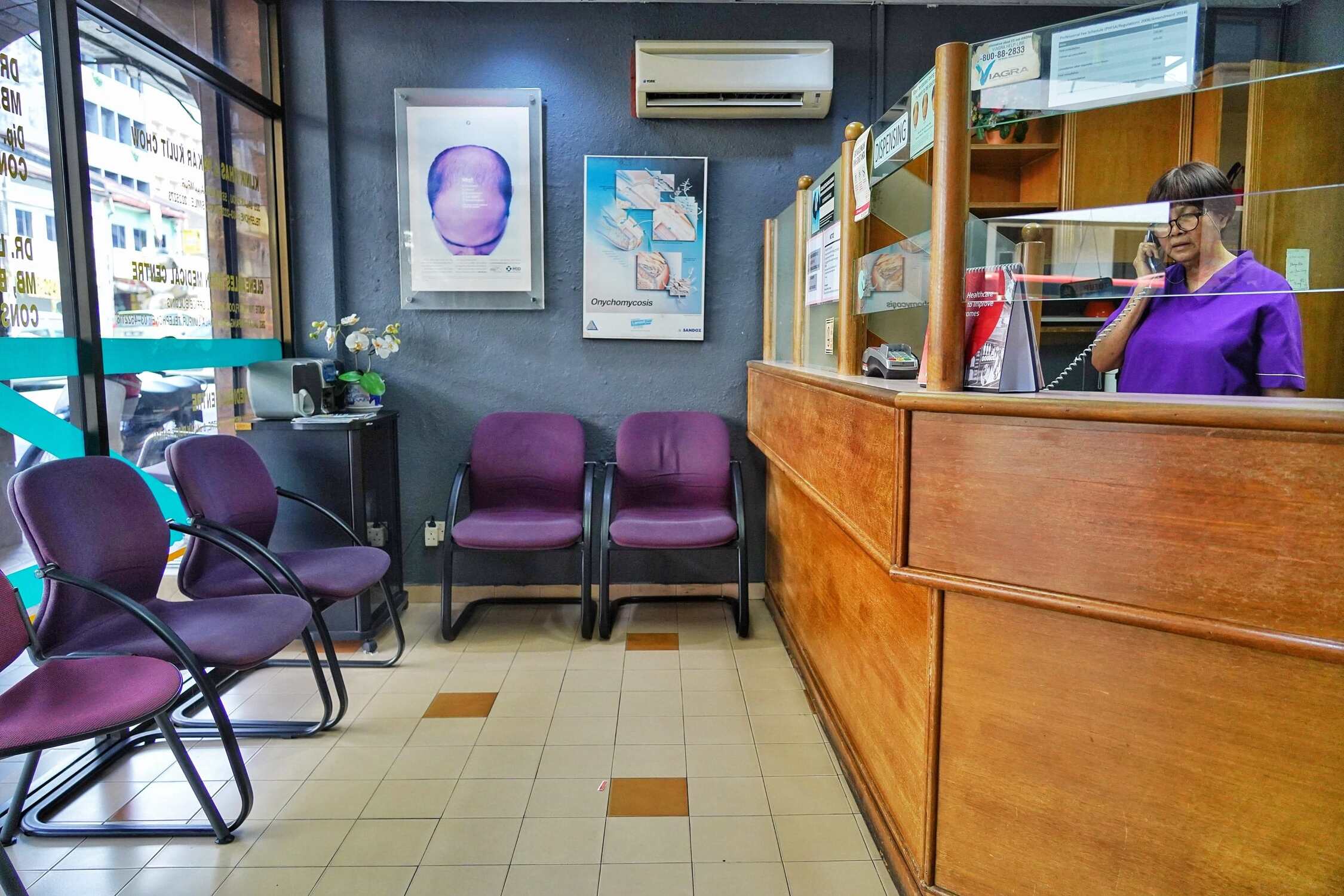
KUALA LUMPUR, Dec 3 — The Malaysian Medical Association (MMA) is launching a “Black Monday” protest to demand urgent reform for private general practitioner (GP) clinics facing threats to their sustainability.
The December 9 protest involves GPs wearing black at their clinic on Monday and making social media posts with various hashtags – including #MalaysiaGPsolidarity, #goBlackforGPs, #saveourGPs, #neglectedGPs, and #stopunfairtreatment – as well as changing their social media profile pictures to black or monochrome.
“General Practitioners (GPs) in Malaysia, with over 12,000 clinics nationwide, face long-standing issues such as outdated fee schedules, absence of regulation for Third Party Administrators (TPAs), and policies that disrupt clinic operations,” according to an internal FAQ by MMA’s Private Practitioners Section (PPS), as sighted by CodeBlue.
“These challenges, persisting for 20 to 30 years, threaten their sustainability, risk clinic shutdowns, and compromise access to quality care, prompting urgent calls for reform.”
MMA’s Black Monday protest follows the Ministry of Health’s (MOH) decision to mandate drug price displays at GP clinics next year.
The Federation of Private Medical Practitioners’ Associations, Malaysia (FPMPAM) recently announced that its GP members would impose a new regulatory compliance charge (RCC) of a minimum RM20, in response to the compulsory medicine price display.
Deputy Health Minister Lukanisman Awang Sauni had no issue with the RCC, simply saying that the fees must be “appropriate”.
The only private health care facility charges regulated by the Private Healthcare Facilities and Services Act 1998 (PHFSA) are doctor fees; all other charges by private hospitals or GP clinics are completely unregulated.
In MMA’s internal FAQ to members on its Black Monday protest, the country’s largest doctors’ group cited four issues: stagnant GP fees, TPAs, the medicine price display mandate, and unlicensed private health care practitioners or facilities.
“Price display policies impact GP clinics by oversimplifying the cost structure of professional health care services. GPs provide not only consultations, but also medications as part of a treatment plan tailored to patients,” said MMA’s Private Practitioners Section.
“The gross profit from medicines is critical for covering operational costs, including doctor and staff salaries, regulatory compliance, consumables, rentals, clinic maintenance, and medical devices.
“While these policies may seem transparent, they are not pragmatic for professional services and can create confusion. Patients may perceive prices as high, without understanding that these costs sustain the clinic’s ability to provide quality care.
“This approach risks undermining public trust and the financial sustainability of GP clinics, ultimately affecting access to professional and reliable health care.”
MMA also pointed out that GPs’ consultation fees – regulated under the PHFSA since 2006 – are still based on the MMA fee schedule from more than three decades ago in 1992. GP fees are fixed at RM10 to RM35.
“With only the Minister having the power to revise these fees, GPs are at the mercy of government action, struggling to sustain their clinics amidst rising costs.”
The doctors’ group further slammed the complete lack of regulation of TPAs that act as middlemen between clinics and employers to manage employee health benefits.
“While GPs provide the services, TPAs charge them fees ranging from RM8 to 16 per cent of the overall transaction. This increases costs, delays payments, and adds administrative burdens for GPs.
“Despite managing health benefits for over three million employees, no ministry oversees their operations, leading to financial strain on clinics and compromising patient care.”
MMA also highlighted the encroachment of unlicensed practices, including certain health care services offered by facilities not registered under the PHFSA, into the role of licensed GPs.
“These activities undermine regulated health care providers, risking patient safety and compromising the quality of care. This creates a double standard, where unregistered facilities operate without oversight, while GPs face strict regulations and micromanagement.
“The government must ensure that all health care providers adhere to the same regulatory standards to protect patients and support ethical primary care practices.”
MMA demanded urgent action on GPs’ unrevised fee schedules, the complete absence of TPA regulation, the drug price display mandate, and unlicensed private health care practitioners or services.


