

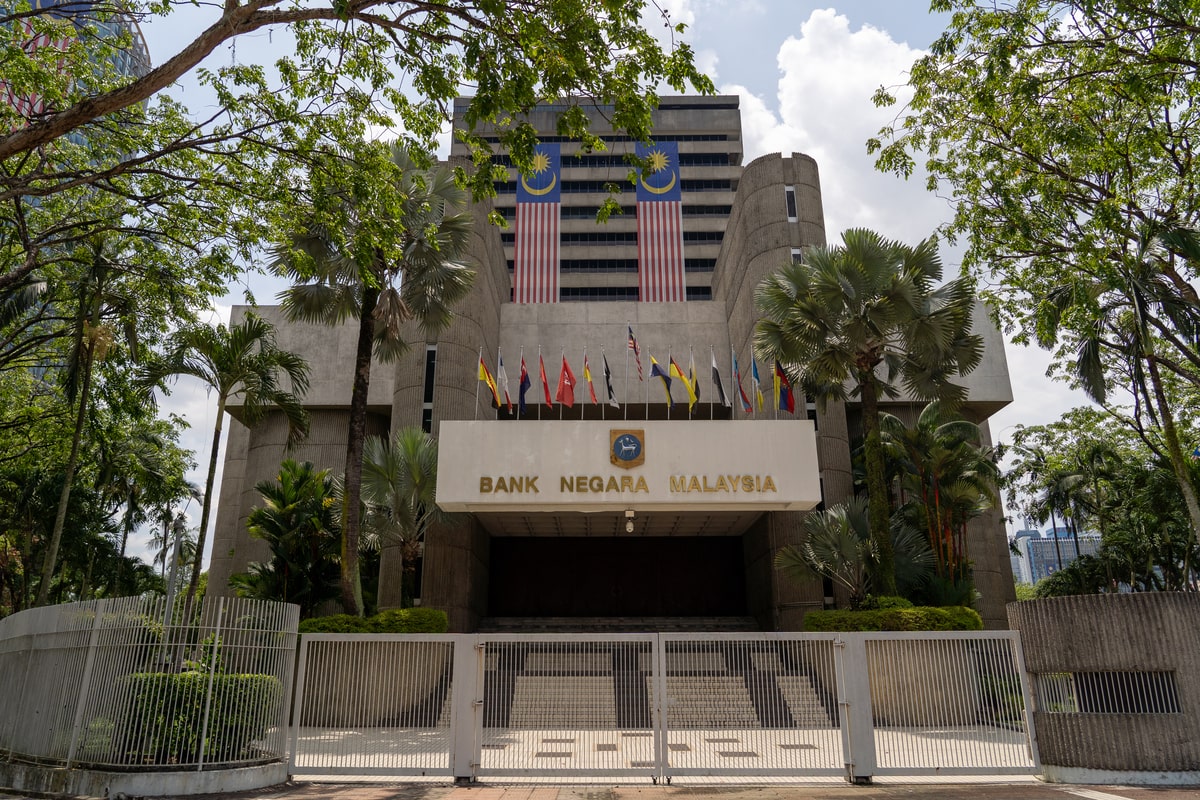
KUALA LUMPUR, Dec 4 — In a surprising move, Bank Negara Malaysia (BNM) has mandated the insurance industry to publish data comparing charges by different private hospitals for common procedures.
Life Insurance Association of Malaysia (LIAM) CEO Mark O’Dell told Business Times in an interview that LIAM will begin publishing the data, in a consumer-friendly format, from mid-2025.
“We have the data that shows the cost of every insured admission for the last three years and now we are gathering it on a regular basis at every quarter so that we know how much the procedure costs at every private hospital,” O’Dell was quoted saying.
“Bank Negara has mandated us to publish that. It should be out sometime in the middle of next year. However, it would not be on every procedure. There will be 10 or 15 common procedures. But you would get an idea of the difference in costs between hospitals quite clearly.”
The only data on private hospital charges that LIAM has is hospital bills to insurers for patients covered by insurance. In an op-ed for CodeBlue, Dr Mohamed Rafick Khan Abdul Rahman, a retired CEO of a multinational reinsurance company, previously wrote that private hospitals charge different rates for cash-paying patients, credit card users, and medical card users.
BNM’s mandate to the insurance industry to publish private hospital charges for procedures potentially interferes with the Ministry of Health’s (MOH) jurisdiction.
The only private health care charges regulated under the Private Healthcare Facilities & Services Act (PHFSA) 1998 are doctor fees; all other charges by private hospitals, clinics, or other services remain completely unregulated.
Private hospitals are simply required to list the charges for every line item – such as the use of equipment, medical and surgical supplies, medication, or imaging – in long itemised hospital bills.
Although Health Minister Dzulkefly Ahmad has talked about value-based health care or diagnostic-related groups (DRG) to replace the fee-for-service model for private hospitals, he did not announce plans to either amend the PHFSA or draft entirely new legislation to mandate new payment models by private hospitals.
DRG involves paying a fixed amount based on the complexity of the case, rather than itemising each charge. Hospitals would receive a set amount (e.g., RM25,000 for a knee replacement surgery) – which is pre-negotiated between the payer and the hospital – and manage their resources within that budget.
“This, we think, will force hospitals to try to go the other way. So instead of trying to sell more services, they would be interested in giving what is necessary and conserve as much as they can out of the package price,” O’Dell told Business Times.
LIAM’s plans to publish private hospital charges to insurers for procedures – as mandated by the central bank – may inadvertently encourage the “buffet table syndrome”, instead of disincentivising it, as consumers fully covered by insurance may choose the most expensive private hospital to maximise their coverage after years of paying premiums.
Separately, in a statement yesterday, LIAM clarified that it did not state there is “no immediate change” to recent medical insurance premium hikes of 40 per cent to 70 per cent, as reported by Business Times in its interview with O’Dell.
“LIAM is still in discussions with Bank Negara Malaysia (BNM) about measures to ease the burden on policyholders resulting from the unprecedented rise in claims over the past several years,” LIAM said.
“Over the period of 2021 to 2023, unprecedented cumulative medical claims costs inflation of 56 per cent placed many insurers in a critical position on their medical books of business, having to manage high ratio of claims over premiums.
“The rising cost of care at private hospitals as well as the sharp increase in the number of policyholders seeking treatment have driven up claims and premiums.”
Many people have complained about not just double, but triple-digit percentage jumps of their health insurance premiums. Bayan Baru MP Sim Tze Tzin previously cited the case of a cancer patient, who was forced to drop his medical insurance policy last August due to a whopping 262 per cent premium hike.


