

KUALA LUMPUR, Nov 12 — Cancer patients living longer, healthier lives are facing barriers to rejoining the workforce, even though many are capable of functioning at a high level.
Advances in cancer treatment have extended the lives of many patients, but Malaysian workplaces are falling behind in accommodating these survivors, say experts at the National Cancer Society of Malaysia (NCSM).
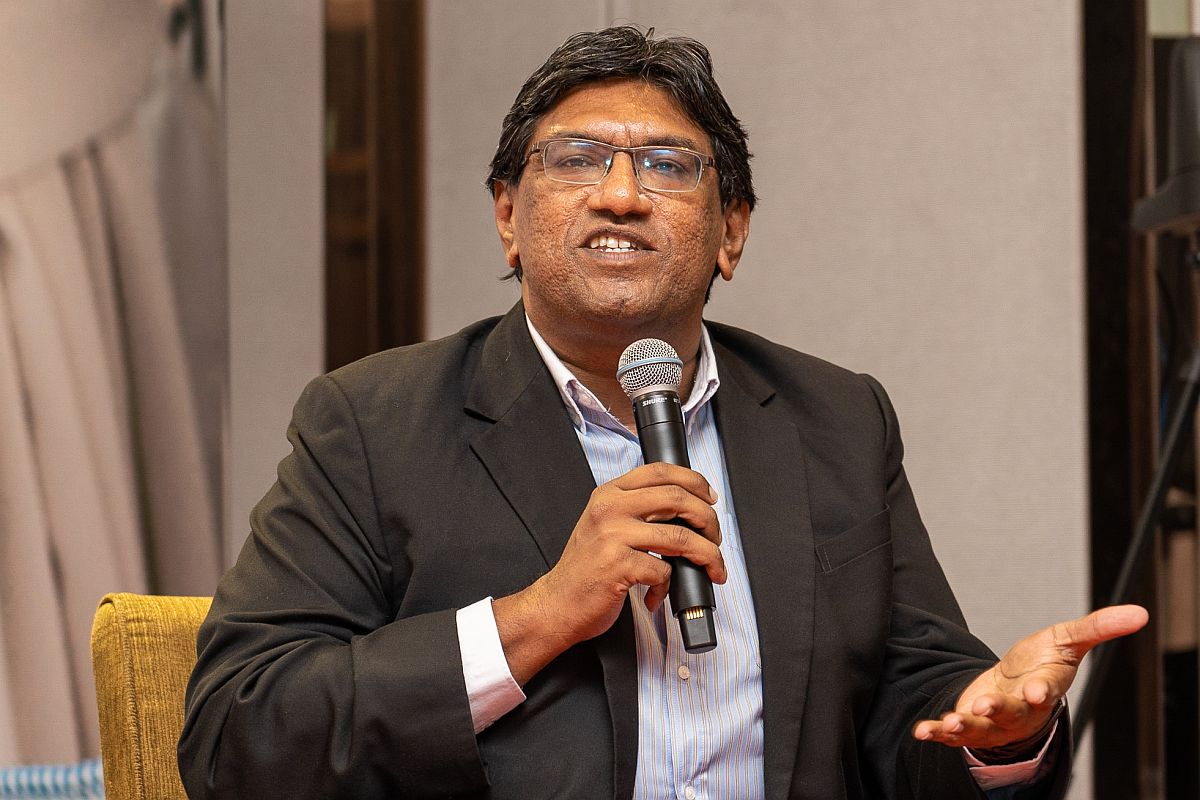
“People are not dying from cancer anymore,” said Dr M Muralitharan, managing director at NCSM, during a spotlight session on managing cancer at work at the Industry Leadership Summit 2024: The Future of Health in the Malaysian Workplace on October 10.
The conference was organised by the Galen Centre for Health and Social Policy and supported by PMCare Sdn Bhd, a managed care organisation.
“A lot of people go into something called ‘stable disease’ or ‘remission’. With new medications, I’ve got patients who are living six, seven years without getting sick. They can work, they can run marathons, and yet, we have no mechanism to reintegrate them into the workforce.”
Dr Murallitharan said while human resources departments may believe cancer survivors are unable to function, many are still productive at 70 to 80 per cent capacity, he said, adding that “70 to 80 percent of a Ferrari is still far better than 100 per cent of a motor kapcai.”
“Even the average person functions at about 70 per cent and can still produce good output. But the way workplaces are currently structured, we can’t seem to absorb them.”
Dr Murallitharan pointed out that 25 per cent of the staff at NCSM are cancer survivors.
The NCSM sees 40 to 50 cancer survivors weekly who struggle to find employment after treatment, a significant number in Malaysia, Dr Muralitharan said.
With cancer becoming more of a chronic condition, rather than an acute or terminal illness, survivors need systems in place that allow them to work within their capacity while feeling valued and supported.
NCSM health promotion lead Dr Leevyadhashiny Ganasan called on employers to recognise that while some survivors may return with limitations, these can often be worked through with thoughtful planning and support.
“It’s important to assess any limitations they may have post-treatment. Every company wants to maintain productivity, but by acknowledging and addressing these challenges, we can create better opportunities for survivors – and they might even develop new skills in the process,” Dr Leevyadhashiny said, highlighting that organisations lack the systems necessary to evaluate survivors’ capabilities and adjust roles or workloads accordingly.
“I think we have to acknowledge that they’ve gone through something – learning about cancer is not easy, and they have experienced not only physical stress but also emotional and psychosocial stress.
“So, the first step is to acknowledge [their experience]. When they come back to work, I think it’s important that we make them feel as capable as they were before they had cancer, especially now that our health care system is improving and people with cancer can still work normally.
“The second thing is to acknowledge their limitations post-cancer. We don’t know exactly to what extent treatment or their experiences have affected their physical and emotional well-being. So when they come back, I think it’s important to assess what limitations they may have and work through that,” Dr Leevyadhashiny said.
She shared that while some cancer patients feel passive after their diagnosis and treatment, others are eager to return stronger than before.
“I think that also depends on the individual. Some people are so affected by the whole ordeal of going through cancer that they tend to be more passive. They feel they just want to rest and enjoy spending time with their family, children, and grandchildren.
“There’s another side of the community that wants to come back stronger. They feel like this is not a hindrance for them; they’re determined to come back stronger and they want to feel as normal as possible when they go back to work.
“If there is a safe space for them to feel free returning to work as usual, I think it can help them continue their routines,” Dr Leevyadhashiny said.


