

I have serious reservations regarding the recently proposed RakanKKM initiative by the Health Minister, with details expected to be announced during the upcoming Budget 2025.
While the need for creative health financing solutions is understandable, this proposal, aimed at generating additional revenue for the Ministry of Health (MOH) and retaining specialists in the public sector, warrants deeper scrutiny. I would like to express my concerns and offer alternative solutions.
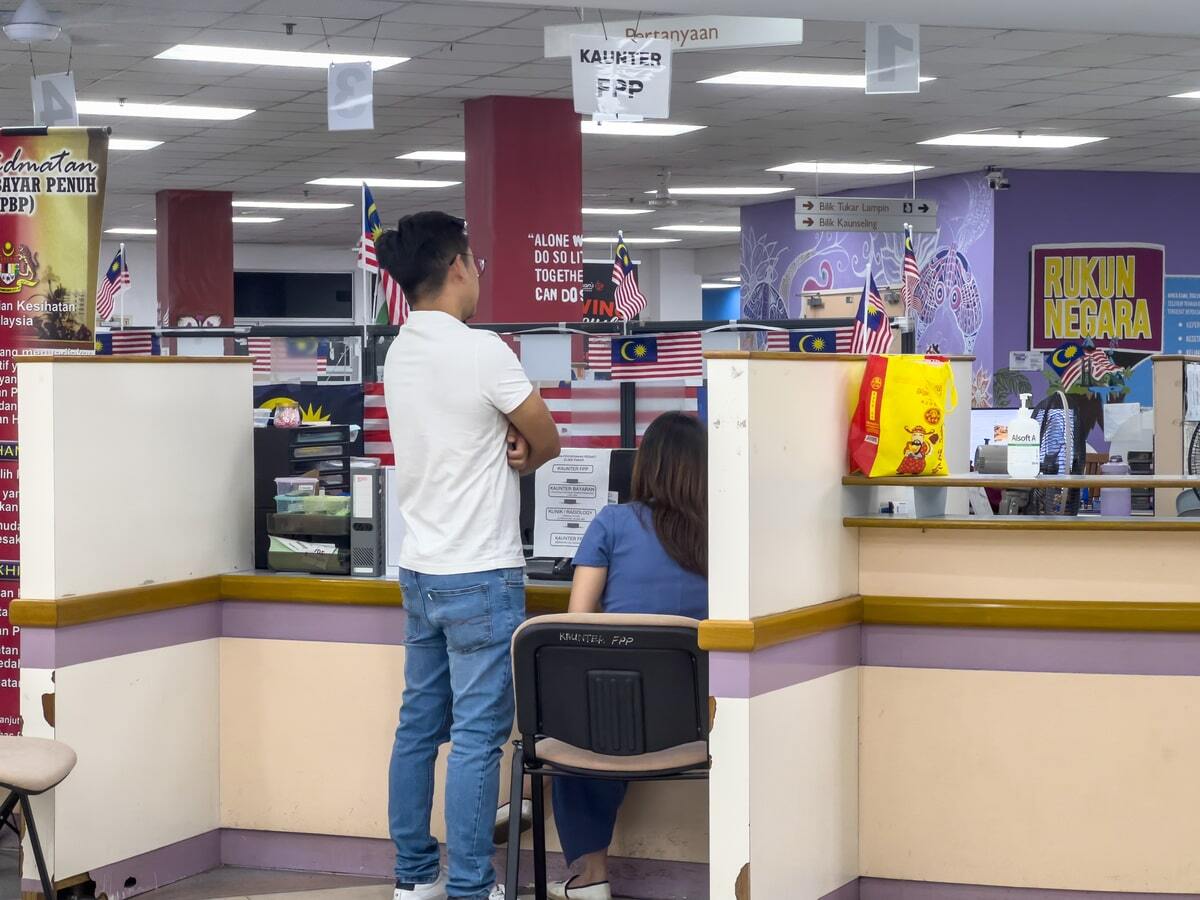
To begin with, the RakanKKM proposal is not entirely a novel idea. The MOH has already implemented the Full Paying Patients (FPP) scheme nearly two decades ago, and university hospitals such as Universiti Malaya Medical Centre and Hospital Universiti Kebangsaan Malaysia have established private wings in their hospitals.
The pertinent question is: have these programmes been evaluated to determine if they have achieved their intended objectives, particularly in terms of revenue generation and specialist retention? Moreover, have any unintended consequences emerged, and what challenges remain unaddressed?
Another pressing issue is whether the Health Minister has engaged with specialists to assess if this proposal truly addresses the factors driving their departure from the public sector. It is well-known that income alone is not the sole determinant for retaining specialists.
A more holistic approach is needed, including improving staff welfare, fostering a supportive work environment, and offering clear strategic direction for the public health system’s overall improvement.
While RakanKKM essentially offers specialists higher pay in exchange for extra working hours, one must question whether these specialists — already burdened with heavy workloads — can realistically take on more private patients. Furthermore, will this lead to inequities, where those in the public sector are deprived of timely care?
This initiative raises broader ethical questions. By promoting access to care based on the ability to pay rather than need, the RakanKKM proposal may contradict the fundamental principles of universal health coverage. Additionally, specialists who are already permitted to practice part-time in the private sector may not find enough incentives in this plan.
Beyond these concerns, the RakanKKM proposal risks sending the wrong signals to both the health care system and its workforce. Specialists may see overcrowded public facilities and long waiting times as opportunities to channel more patients into the private wing, potentially giving rise to a moral hazard.
From a system perspective, this initiative may shift the focus from health care to sick care — prioritising revenue generation over prevention and health promotion.
While Malaysia’s chronically underfunded health care system undoubtedly requires innovative financing solutions, the RakanKKM initiative in my opinion is not the way forward. The government must recognise that investing in health — just as in education — is essential to nurturing a productive and resilient population.
The most sustainable funding model for health care remains tax revenue. Should the Goods and Services Tax (GST) be reintroduced to improve Malaysia’s tax-to-GDP ratio, the government could consider soft earmarking a portion of GST revenue specifically for health and education.
This would make the return of GST more acceptable to the public, while contributing toward the goal of raising public health expenditure to 5 per cent of GDP, as outlined in the Health White Paper.
Another viable option is the issuance of long-term bonds to finance crucial health system reforms, such as health care digitalisation, which is sorely needed. These investments should not be evaluated based on immediate profit generation, but rather on the cost savings and productivity gains they bring.
At the same time, the MOH must ensure that public funds are used efficiently, avoiding wastage that would otherwise resemble “pouring water into a leaky container”.
Another alternative would be the proper channelling of private capital into health care. The proliferation of private general practitioners, dental clinics, and pharmacies — often several located in the same row of shop lots — raises questions about whether private investments are being effectively managed and aligned with the nation’s broader health goals.
If the RakanKKM proposal proceeds, it should be restricted to health tourism, catering exclusively to foreign patients. Even then, it should be implemented with stringent regulations to prevent any negative repercussions on the local health care system.
Ultimately, health is a public good and should be treated as such. Access to health care must not depend on one’s ability to pay but rather on one’s need.
As Budget 2025 approaches, I hope the government will place greater emphasis on adequate public health expenditure, recognising that spending on health is not just a cost — it is an investment in the future wellbeing of the nation.
Dr Richard is a doctor in the Ministry of Health. CodeBlue is providing the author partial anonymity because civil servants are prohibited from writing to the press.
Editor’s note: The author is NOT Dr Richard Lim, head of palliative medicine at Selayang Hospital and head of the palliative medicine subspecialty in the MOH, but another doctor in the ministry who is also named Richard. CodeBlue apologises to Dr Richard Lim for any inconvenience caused.
- This is the personal opinion of the writer or publication and does not necessarily represent the views of CodeBlue.

